Smart Glasses: Are They Really Taking the Use of AI to the Next Level?
August 10, 2026

Author
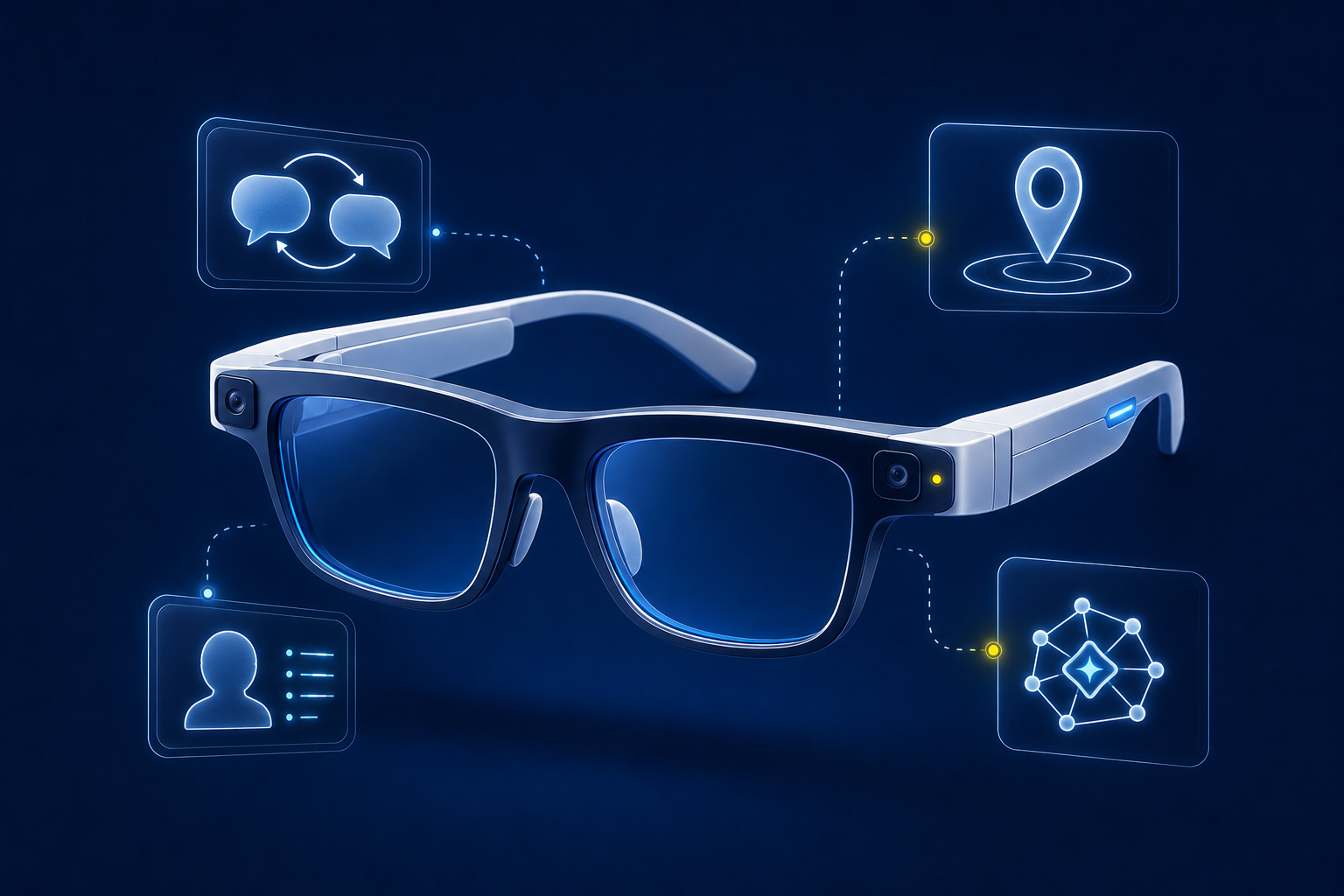
Imagine walking through an unfamiliar city, unable to understand the menu in front of you and not wanting to pull out your phone every thirty seconds. Instead, you simply look at the text and ask your glasses what it says.
Devices like this can already take photos, translate text, answer questions and describe what their wearer is currently looking at. From the outside, they can look almost identical to ordinary sunglasses.
That is exactly what makes the current generation of AI glasses so interesting. They are not trying to put another screen in front of the user. Instead, they aim to remove the moments when we have to pull out our phones, open an app and explain what we are currently dealing with. With smart glasses, artificial intelligence no longer receives only our question, but also the context of the situation we are in.
Meta Wants to Bring AI Glasses to Mainstream Users
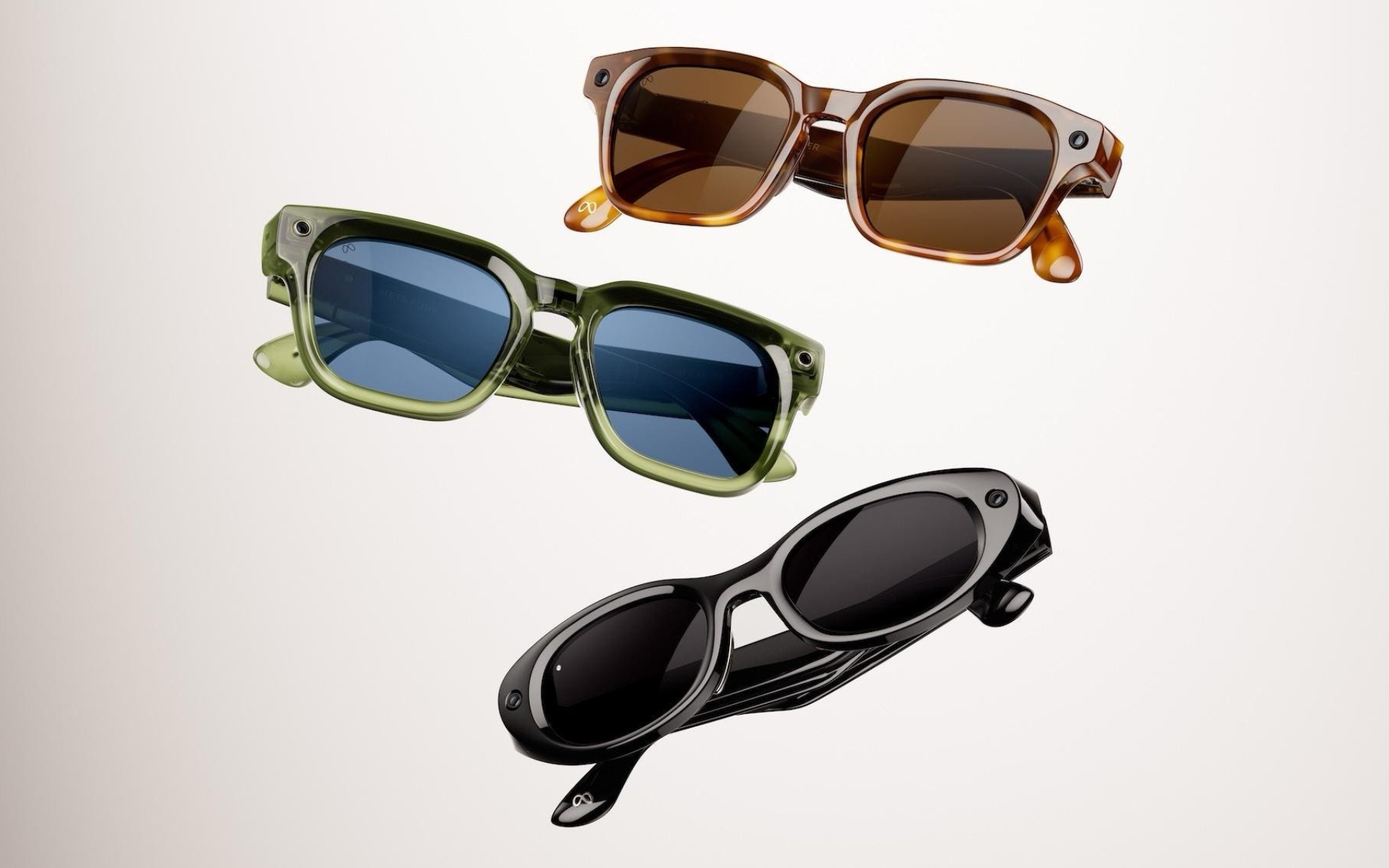
Meta has introduced its own collection of smart glasses, simply called Meta Glasses. This time, the frames do not carry the Ray-Ban or Oakley brand. The devices are still being developed in cooperation with EssilorLuxottica, but Meta is selling them under its own name and at a lower price.
The basic models start at $299, which is approximately CZK 6,400. Kylie Jenner also contributed to one of the designs, and its owners can even use an AI assistant that speaks with her intonation.
Yes, we have reached the point where your glasses can speak to you in Kylie Jenner’s voice.
What matters more, however, is Meta’s strategy. The company is trying to move smart glasses away from the category of technology gadgets and towards becoming a mainstream consumer product. And interest is already significant. According to the manufacturer, more than seven million pairs of Ray-Ban Meta and Oakley Meta AI glasses were sold during 2025.
It Is Not Just a Camera Hidden Inside the Frames
The new glasses do not have displays built into their lenses. The technology is hidden directly inside the frames, which contain a camera, microphones and open-ear speakers. The glasses can take photos and videos, play music, handle phone calls and communicate with a voice assistant.
The real shift is not the number of microphones or the quality of the camera. What matters is that AI can perceive the same situation as the person wearing the glasses. Users no longer have to describe in detail what is in front of them. They can look at a building, an object or foreign-language text and ask what they are seeing, what a sign says or which direction they should continue in.
Summer is a good example of why glasses like these could be useful. While travelling, they can help translate a menu, answer questions about a place the user is looking at or take a photo without the user having to search for a phone in their bag.
None of these individual features is revolutionary on its own. A smartphone can already perform most of them. The difference lies in how quickly and naturally the user can access them. The phone can stay in the pocket while AI already has part of the necessary context available.
Two Different Approaches: Meta vs. Apple
The less distinguishable smart glasses become from ordinary eyewear, the more questions they raise about privacy.
Meta uses a light on the front of the glasses to indicate when a photo or video is being recorded. People nearby, however, may not know what the light means or may not notice it at all. What one person sees as a convenient way to capture a moment may feel like surveillance to someone else.
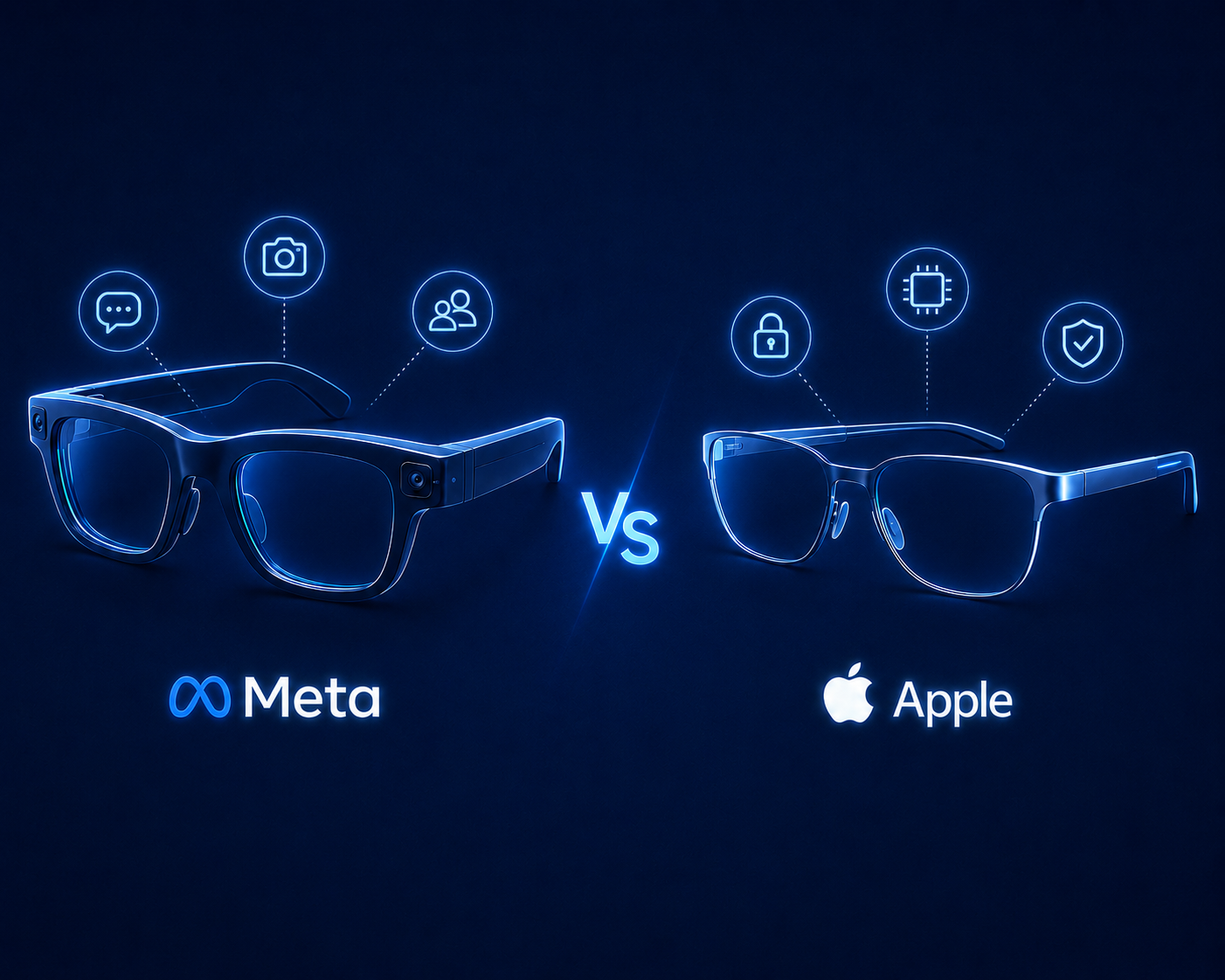
Apple could take a different approach. According to information summarised by TechCrunch, the company wants to place much greater emphasis on privacy in its upcoming smart glasses. Some AI processing could take place directly on the device, the glasses reportedly should not use facial recognition and customer recordings should not be used to train AI models. Apple is also said to want to avoid having user recordings reviewed by external workers.
These are still unofficial reports. Nevertheless, the direction itself shows how important trust could become for devices of this kind.
Meta is trying to bring AI glasses to mainstream users quickly by lowering prices and expanding its range of designs. Apple, on the other hand, could make privacy one of its main competitive advantages.
The glasses may have the best camera, the fastest AI and an attractive design. But if people do not want to wear them or others do not feel comfortable around them, they will never become a truly mainstream product.
Where Could the Use of AI Go Next?
AI glasses are unlikely to replace smartphones in the near future. They do, however, show the direction in which development may be heading. Instead of accessing artificial intelligence through a separate app, we may increasingly encounter it in products we already use every day.
The interface no longer has to be just a screen or a chat window. Technology can understand the context and provide assistance at the exact moment when we need it.
Ordinary sunglasses may still be perfectly sufficient for this summer. In a few years, however, we may no longer ask only whether our glasses are prescription or sunglasses.
We may start asking what kind of AI they have. And perhaps even more importantly, what exactly they can find out about us.
How We See It at Techmates
We are not interested in the glasses themselves or in yet another technology gadget. What matters more is the shift in the way we use artificial intelligence.
For companies, this opens up an opportunity to use AI in new situations. When implementing it, the main question does not necessarily have to be: “How can we add a chatbot to our product?” It is more important to consider which steps customers or employees currently perform unnecessarily and whether technology can simplify or eliminate them altogether.
A technician could receive instructions while repairing equipment without having to search through documentation. A warehouse worker could receive relevant information while keeping both hands free. A salesperson could automatically prepare notes after a meeting, while customer support teams could work with relevant context in real time.
Glasses are only one possible interface. Similar AI could appear in headphones, watches, cars, manufacturing systems or mobile applications. At the same time, data protection, privacy and user trust become increasingly important. It is not enough for a solution to be useful. People also need to know what data it collects and what happens to that data.
An AI model alone does not create value. What matters is how it is connected to company data, systems and specific processes, as well as the security of the entire solution. We take the same approach at Techmates when it comes to AI transformation: we identify where AI can create real value while making sense from both a technology and business perspective.